
Fenbendazole Purity Test: How to Check a Supplier’s Purity Claim
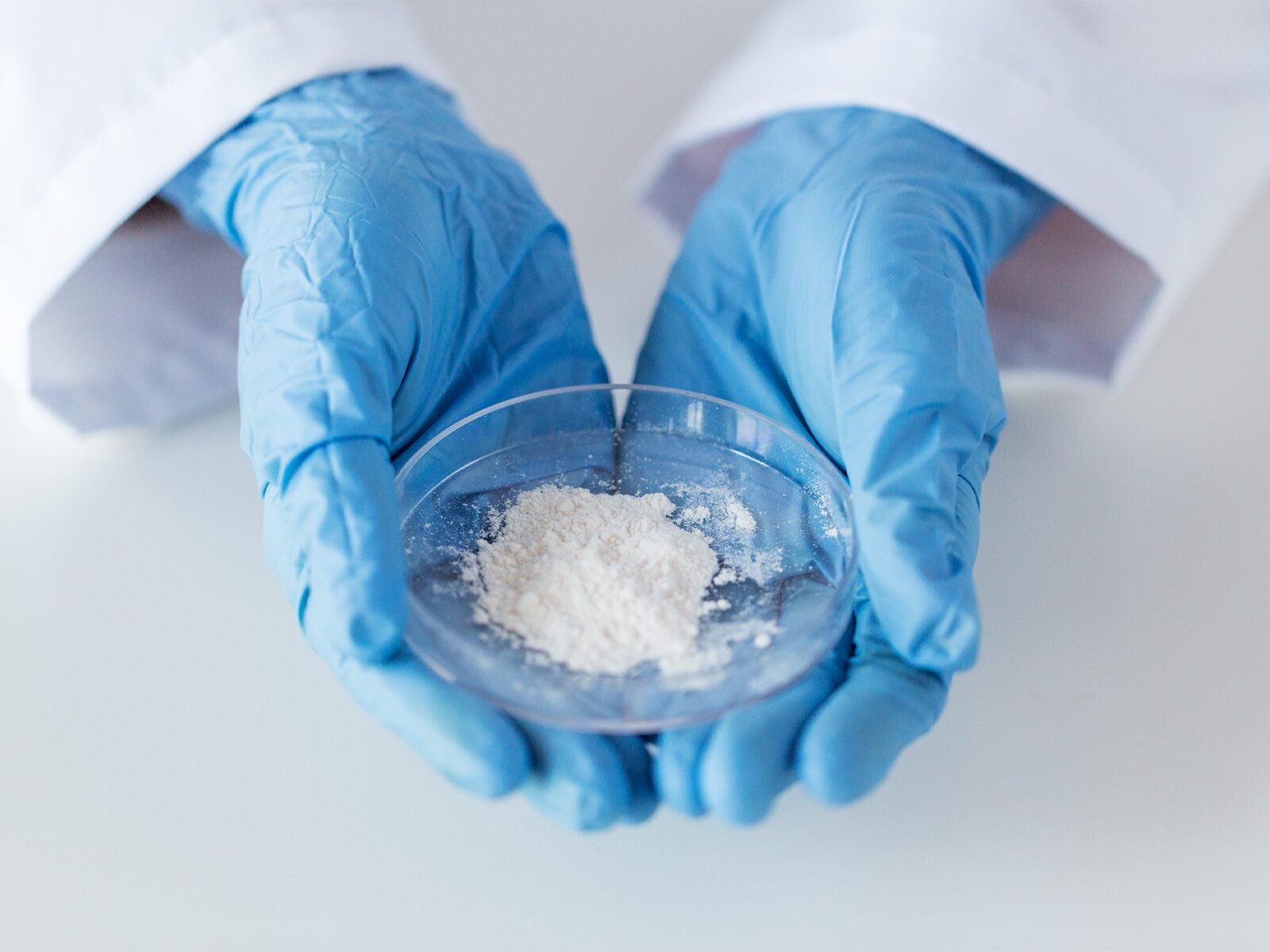
Almost every fenbendazole supplier says its product is “99% pure” or “lab tested”. A fenbendazole purity test is what turns that sentence into something you can check. This guide explains how purity is measured, what the numbers on a certificate actually mean, and how to judge a supplier’s claim before you order.
What “Purity” Means
Purity is the share of a sample that is the compound itself, shown as a percentage. A result of 99.5% means that 99.5% of what the test measured was fenbendazole. The rest is other substances, such as manufacturing by-products or leftover materials.
Purity is not the same as three things people often confuse it with:
- Strength. Strength is how much of the compound is in each capsule, for example 222 mg. Purity says how clean the compound is, not how much of it a capsule holds.
- Safety. A pure compound is still a compound. Purity does not say how a product should be used.
- Overall quality. A product can have a high purity result and still fail other tests, such as contamination.
How a Fenbendazole Purity Test Works
Most fenbendazole purity tests use HPLC, short for high-performance liquid chromatography. In simple terms, the laboratory dissolves a small sample, passes it through a column that separates the substances in it, and measures how much of each one comes out. The result is usually shown as a chart with peaks and as a percentage on the certificate.
Good HPLC reporting includes the method name, the detector, the date and the batch number. If a certificate shows only a percentage and nothing else, you cannot tell how the number was reached.
Other Tests You May See on a Certificate
A purity percentage is only one line of a full report. Depending on the laboratory, you may also see:
- Identity tests (for example mass spectrometry, NMR or infrared analysis) that confirm the sample really is fenbendazole.
- Heavy metals testing, which looks for traces of metals such as lead or arsenic.
- Residual solvents testing, which checks for leftovers from manufacturing.
- Microbial testing, which checks for bacteria, yeast and mould.
- Moisture content, which affects how the percentage is calculated.
A supplier that publishes several of these for the same batch gives you more to check than one that shows a single number.
Five Things to Check on a Purity Result
- The batch number. It must match the batch on the product you receive. A certificate for a different batch is not evidence about yours.
- The test date. The result should be recent enough to cover the batch you are buying.
- The method. Look for a named method such as HPLC. “Lab tested” is a claim, not a method.
- The laboratory. You should be able to find the laboratory’s name and contact details yourself.
- The raw data. Some suppliers publish the chromatogram, the chart behind the percentage. If you can see it, the result is much easier to trust.
Warning Signs in a Purity Claim
- A percentage with no certificate, batch number or laboratory.
- A certificate that never changes from one batch to the next.
- “Purity above 99%” with no method named.
- A result with no date.
- A certificate you can only get after you pay.
If you see several of these together, read our guide to the warning signs of an unverified fenbendazole supplier.
Reading a Chromatogram in Plain Language
A chromatogram is a line chart with a series of peaks. Each peak is a different substance leaving the column, and the area under a peak shows how much of that substance was in the sample. In a clean result there is one tall peak for fenbendazole and only small peaks elsewhere. The purity percentage is the area of the main peak compared with the area of all the peaks added together.
You do not need to read the chart like a chemist. Check that it is labelled with the batch number and the date, that the main peak is named, and that it looks like a real chart for this product and not an image reused across batches.
Questions to Ask About a Purity Result
- Which method produced this number, and which laboratory ran it?
- Which batch and which date does it cover?
- Is there an identity test and a contamination test for the same batch?
- Can I see the chromatogram, not just the percentage?
- Will you send the same certificate in writing if I order?
A supplier that publishes its documents will usually answer these in a day or two. Slow, vague or changing answers are worth noting.
Compare suppliers on the documentation they publish.
Compare Suppliers →Can You Test Purity Yourself?
Not reliably at home. Home test kits are not designed for this compound, and a dependable purity result needs laboratory equipment and trained staff. If you want independent evidence, some analytical laboratories accept sample submissions for a fee. Ask the laboratory first what it will test, which method it uses and how long it takes, and expect to pay for the service.
For most buyers, a practical alternative is to compare suppliers on what they publish. Our certificate of analysis guide explains each line of a report, and the Buy Fenbendazole page compares the suppliers we review.
Purity Versus Price
A lower price can be fair and a higher price can be unjustified, but price alone says nothing about purity. Compare the documentation first, then compare the final price per unit, including shipping and any discount code.
Frequently Asked Questions
What is a good purity result for fenbendazole?
Suppliers often publish results of 98% or higher. What matters more is that the result is backed by a batch number, a named method, a date and a laboratory you can identify.
Is HPLC the only way to test purity?
It is the most common method for this kind of result, but a full report may also include identity, contamination and moisture tests.
Does a high purity percentage mean a product is safe?
No. Purity describes how much of a sample is the compound. It says nothing about how a product should be used, and nothing on this site is medical advice.
How often should a supplier test?
A new test for every batch is the standard to look for. An old certificate does not describe a newer batch.
Where can I compare suppliers’ documentation?
On our Buy Fenbendazole page, where we compare the suppliers we review.
Compare Suppliers You Can Check
See how the suppliers we review compare on documentation and price.
Buy Fenbendazole